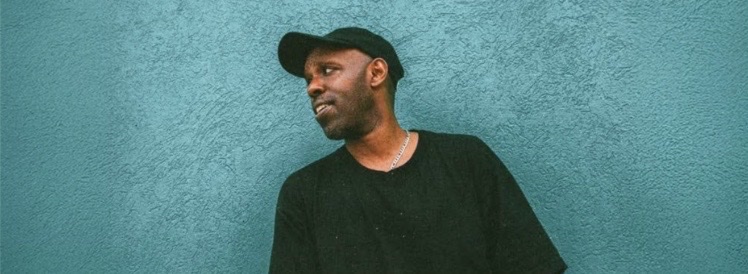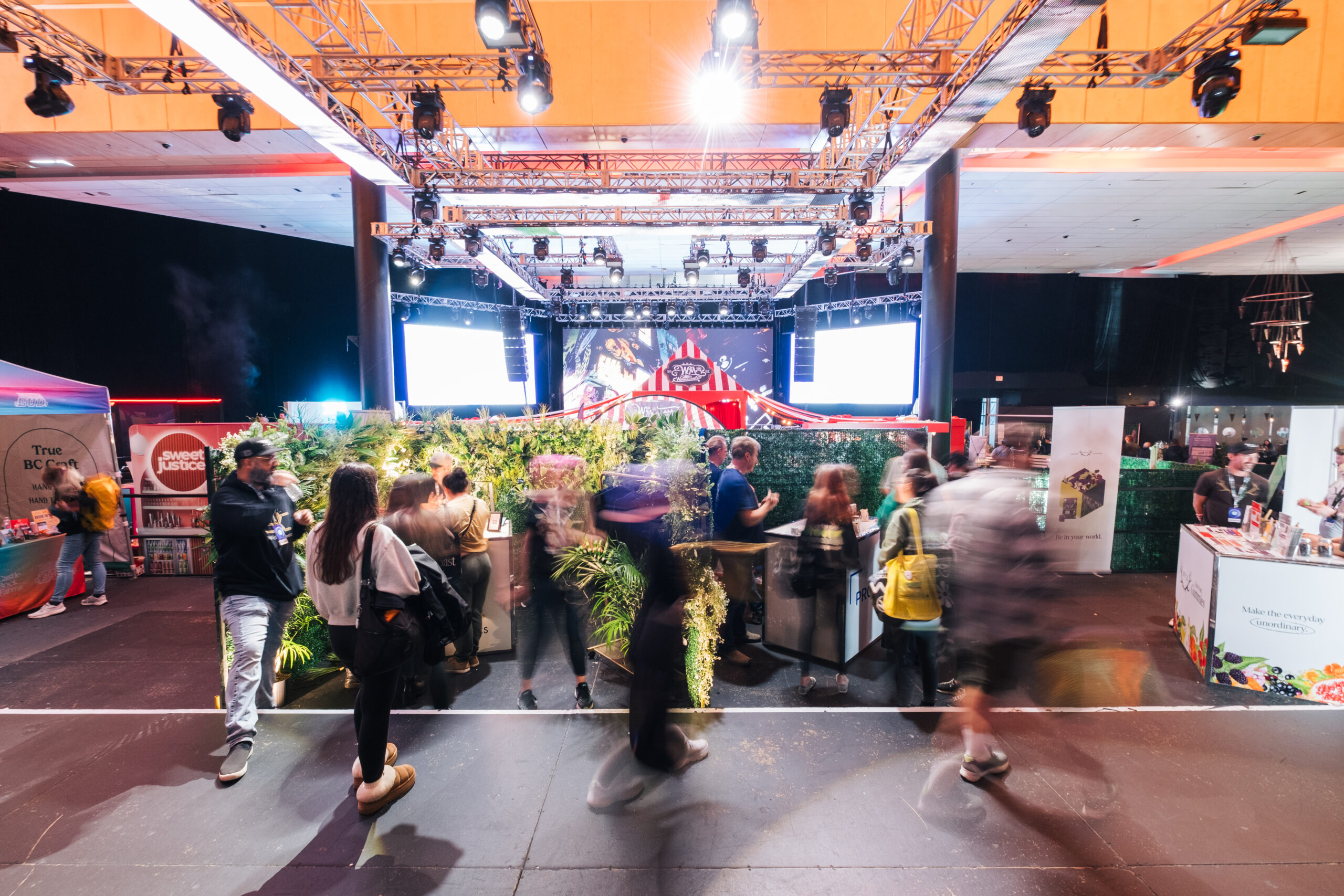
When we ran into Paul McCarthy in Ottawa at the KIND Winter Fair, I wanted to buy him a pre-roll. “That’s OK,” McCarthy told me, “I have some of my own.” McCarthy, the hardest-charging cannabis lobbyist in the country, works hard every day for our industry and is an active, vocal promoter of the space. Sitting down at the Fair between activations, McCarthy told KIND editor Ben Kaplan that the space is healthy—but we haven’t seen anything yet.
Ben Kaplan: What makes you proudest to work in our industry and what exactly do you do?
Paul McCarthy: My job is to advocate on behalf of my members—who are licensed producers. These are farmers and manufacturers. They cultivate the flower and create cannabis products with it. I represent these companies in trying to get policy change from government—which is largely about regulatory and taxation reform.
BK: And what makes you proud?
PM: This is a new industry so those who are operating in it are entrepreneurs and pioneers. Those are people and companies who are taking significant risks. Collectively, they are creating something that will become a mainstay around the world through sheer perseverance.
BK: Describe the state of the legal weed industry as we head into 2026.
PM: Finding a way to forge ahead despite the fact that it faces significant headwinds. I won’t attribute all of that to government, but they account for the biggest part of the challenges.
BK: What do you mean?
PM: The truth passes through three stages. At first, it’s ridiculed. Next, it’s vehemently opposed. And finally, it is accepted as being self-evident. As it relates to cannabis, those first two stages are blended and we are currently somewhere between them and the third stage. So many people know cannabis is not a big deal, but they also don’t know exactly what to think about it which puts us in this odd place. We’re effectively only one step away from getting to where we need to be but that doesn’t have a clear path or timeline.
BK: What have been the highlights of the year just passed?
PM: The industry navigated an anti-dumping case from Israel which was almost an 18-month process (resulting in no tariffs being applied), pulled a regulatory package with long awaited changes across the line prior to an election and staved off some planned amendments to pesticide management which had serious consequences for cultivation.
BK: Wow. I feel like some of this stuff has been overlooked.
PM: This year has been largely stolen by events. In January, we had the resignation of the Prime Minister. By the time the dust settled, it was close to nine months of musical chairs. And all of that against the backdrop of a trade war with the United States that took up every inch of oxygen and which, to a large extent, still does.
BK: If you had a magic wand and could change our industry, what would it be and why?
PM: Allowing companies to communicate more freely with the consumer and having the government view this as the global economic opportunity that it is—and erasing the stigma!
BK: If you had to choose one thing?
PM: Eradicate the illegal market. You can’t have a properly functioning regulated market when you have a group of actors (and of a significant size) playing by one set of rules—and everyone else playing by another.
BK: True.
PM: If we’re going to be a world leader—in product, standards, regulations—then we must be at a point where the illegal market is negligible. It doesn’t happen, otherwise. So the faster we get there, the better.
BK: Lots of people reading KIND are either budtenders, cannabis executives or legal weed customers. What can they do to help the industry that we either work in or support?
PM: Anyone who observes this industry has one clear takeaway—no one agrees on anything. The reality is, that’s not true. But too often, people argue—strenuously—in the margins of issues. I can tell you that decision makers and law makers see this as a reason to do nothing—even in the face of a legitimate ask.
BK: Makes sense.
PM: Second, if you want to expand the market, stop pushing high THC products. In fact, unless someone identifies as a mature user, you should be encouraging people who are interested in trying cannabis to try a non-combustible, lower THC product.
BK: Getting back to something you said earlier, it still seems like there’s lots of illegal weed shops. What’s being done to address that?
PM: Not enough. It’s why I have called on the federal government to step up and play a leadership role here. Government needs to get serious about this and there is plenty that can be done—beginning with coordinating resources and strategies amongst all provinces and territories.
BK: Do you think cannabis is treated differently than other commodities and does the stigma of weed hurt the legitimate, legal businesses?
PM: Absolutely.
BK: Explain.
PM: Let me park the comparison to other commodities and respond to the part about the stigma hurting the legal business. Look no further than the excise stamp. There is a unique stamp for each province and territory which must be affixed to every cannabis product according to the jurisdiction in which it will be sold. It’s completely unnecessary and creates complexity and cost to legal operators.
BK: How much?
PM: We estimate that it costs LPs ~$100M per year. We’ve asked government to move to a single, national stamp. There is no push back on the merits of doing this and there is alignment from all stakeholders—yet still no movement. If this was another industry, not only do I believe it would have been done by now, it probably would have been a top speaking point for politicians for how they listened and responded to the needs of industry. That’s stigma.
BK: Since we sell and smoke weed, are the tax dollars we create taken for granted?
PM: Excellent question—yes. Since legalization, the government has collected $29.6 billion in taxes. That’s billion with a B. If any other industry generated that kind of tax base for government, their concerns would not just be heard, they would be addressed.
BK: Do you think legalization has been a success?
PM: The legalization of recreational cannabis was one the biggest social policy shifts we have seen in my lifetime. For context, the other things I would put in that category would be MAID—Medical Assistance In Dying (2016) and Same Sex Marriage (2005). I’m sure if I thought longer I’d come up with a couple of others, but you get the idea. This was big. And I’d say the social experiment side of this has gone very well. The sky didn’t fall. But I think government kind of claimed victory and moved along without thinking further about the economic considerations.
BK: So why isn’t there more of a victory lap across the country for legal weed?
PM: If you look at the public policy objectives that were set to be achieved as a result of legalization —we’re falling short. They were to displace the illicit market; to keep it out of the hands of youth, and to provide a quality assured product for responsible consumers. The single biggest risk to achieving the last two is actually the first one. So I would say no, legalization has not been a success. Yet.
BK: What’s your hope for the industry as we move forward and what has to happen to see that occur?
PM: That Canada truly becomes the world leader in quality-assured cannabis products for therapeutic benefit. That’s the medical channel as well as over the counter, therapeutic products—much of which is yet to be materialized. I’m sure your readers understand what I mean by this but in the event others have wandered onto the page here, that means people who are consuming this for some form of health benefit—not for the euphoric feeling or ‘high’ that’s derived from THC, the main reason people consume it recreationally.
BK: When’s the last time you got high?
PM: The last time I consumed a cannabis product was last week. For me, cannabis is similar to enjoying a beer. Those occasions are not always the same, but they’re generally when I’m relaxing and being social. Today, my preference is for a low-dosage edible. That format and potency works for me at this age and this stage of my life.
BK: What do you love about your job?
PM: The possibility.